
The Impact of Trump's Criminal Justice Reform on Black Voters
- Apr 20, 2024
- 2 min read
Updated: Aug 10, 2024
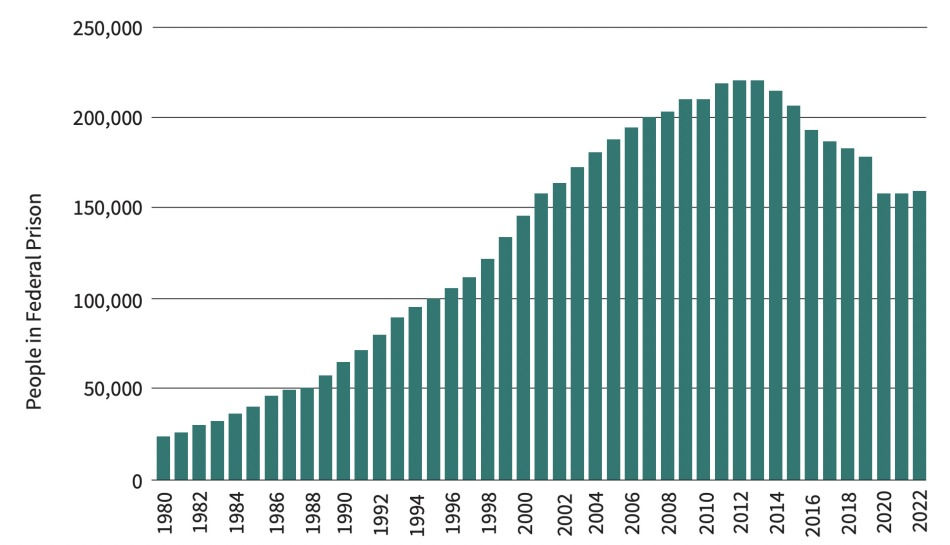
Donald Trump’s criminal justice reform, particularly through the First Step Act, has had a significant impact on Black voters, reshaping perceptions of his presidency within the community. Signed into law in 2018, the First Step Act aimed to reduce recidivism, offer second chances, and address sentencing disparities that disproportionately affected Black Americans. For many Black voters, this legislation was a tangible example of Trump’s commitment to addressing systemic issues within the criminal justice system.
The First Step Act has led to the release of thousands of nonviolent offenders, many of whom are Black, allowing them to return to their families and communities. This has resonated deeply within the Black community, where mass incarceration has had devastating effects for decades. By prioritizing criminal justice reform, Trump managed to build bridges with Black voters who had previously felt ignored by the Republican Party on this issue.
Moreover, the Act’s emphasis on rehabilitation and reentry programs has been seen as a crucial step toward breaking the cycle of incarceration and poverty that traps many Black Americans. The focus on providing inmates with the tools and resources they need to successfully reintegrate into society aligns with the broader goals of economic empowerment and self-sufficiency that resonate with many Black voters.
However, Trump’s broader approach to law and order has been a point of contention, with critics arguing that his rhetoric sometimes contradicts the principles of justice reform. Despite this, the passage of the First Step Act remains a cornerstone of his appeal to Black voters, showcasing his administration’s willingness to address one of the most pressing issues facing the community.
As the 2024 election draws near, the impact of Trump’s criminal justice reform continues to be a focal point for Black voters evaluating his record. The First Step Act serves as a reminder that bipartisan efforts can lead to meaningful change, and it remains a key element of Trump’s legacy within the Black community.


